
The t-test is one of the most widely used statistical tests in medical and biological research, helping researchers determine whether there is a significant difference between the means of two groups. It is particularly useful for comparing treatment outcomes, patient characteristics, or biological measurements. A t-test works best when data follow a normal distribution and when both groups have similar variability. The key result of a t-test is a p-value, which indicates whether the observed difference is statistically significant or could have occurred by chance.
Types of t-Tests
1. Independent (Unpaired) t-Test
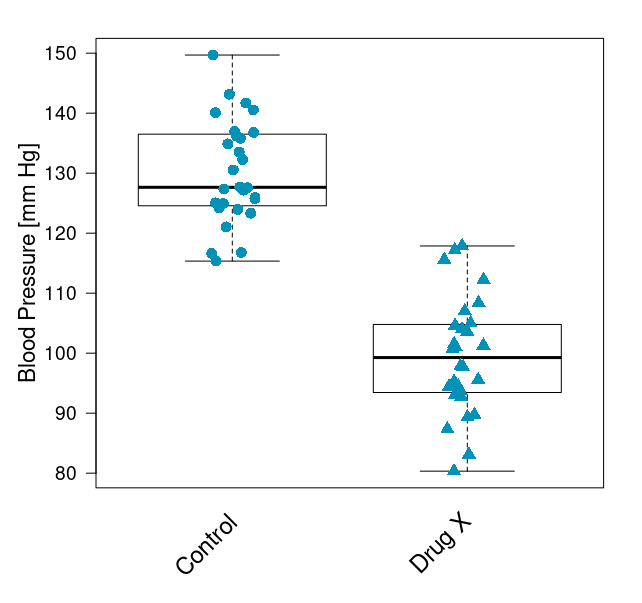
An independent t-test, also known as an unpaired t-test, is used when comparing the means of two different groups of subjects. The key assumption here is that the two groups are independent of each other.
Example: Suppose a study is investigating the effect of a new drug on blood pressure. One group of patients receives the drug, while another group receives a placebo. The independent t-test would compare the average blood pressure between the two groups to determine if the drug has a significant effect.
When to use it:
- Comparing two separate groups, such as patients given Drug A versus patients given Drug B.
- When each data point is from a different individual (i.e., no repeated measures).
2. Paired t-Test
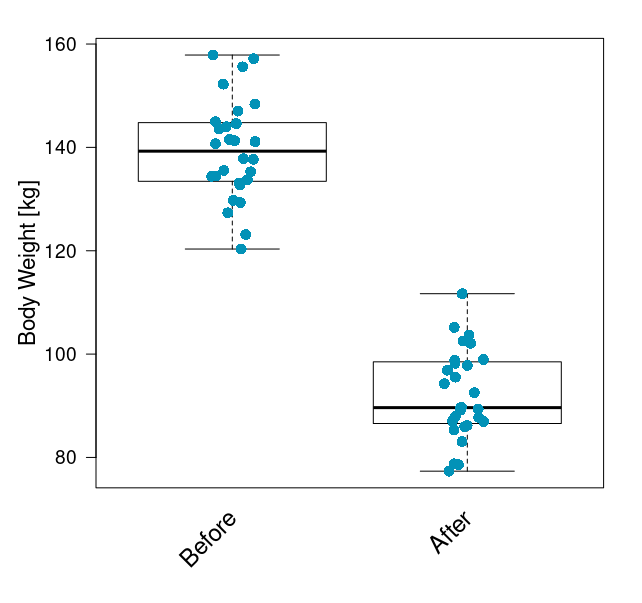
A paired t-test, also known as a dependent t-test, is used when comparing the means of two related groups. This occurs when measurements are taken from the same individuals before and after an intervention.
Example: Suppose researchers measure patients’ cholesterol levels before and after a new dietary intervention. Since the same individuals are measured twice, a paired t-test would determine if the diet had a significant effect on cholesterol levels.
When to use it:
- Comparing pre-treatment and post-treatment measurements in the same group of subjects.
- When each data point in one group has a directly related counterpart in the other group.
One-Tailed vs. Two-Tailed t-Tests
One-Tailed t-Test
A one-tailed t-test is used when researchers have a specific directional hypothesis. It tests whether one mean is either greater than or less than the other, but not both.
Example: A researcher believes that a new drug only lowers blood pressure. A one-tailed t-test would test whether the drug group has significantly lower blood pressure than the placebo group, without considering the possibility of an increase.
When to use it:
- When the research hypothesis specifies a particular direction (e.g., an increase or a decrease, but not both).
- When there is a strong theoretical basis for expecting an effect in only one direction.
Two-Tailed t-Test
A two-tailed t-test is used when researchers are interested in any difference, regardless of direction. It tests whether the two means are simply different from each other, without assuming which one is higher or lower.
Example: A study comparing the effectiveness of two pain relievers would use a two-tailed t-test because the researcher does not know beforehand which drug is more effective.
When to use it:
- When the research question is whether two means are different, without assuming the direction of the difference.
- When there is uncertainty about whether the effect could go in either direction.
Choosing the Right t-Test
The choice of t-test depends on the study design:
- Use an independent (unpaired) t-test when comparing two separate groups.
- Use a paired t-test when comparing two related measures in the same group.
- Use a one-tailed test when the hypothesis is directional.
- Use a two-tailed test when the hypothesis is non-directional.
Interpreting Results
The t-test produces a p-value that indicates the probability that the observed difference happened by chance. Typically, a p-value below 0.05 is considered statistically significant, meaning that there is strong evidence against the null hypothesis (which assumes no difference between groups).
Importantly, at Nezu Biotech GmbH, we offer Data analysis services to life science institutions – both from academia and industry. The goal is clear: we take care of the data analysis, ensuring correctness and speed, so your team can focus on other important tasks.
Conclusion
The t-test is a simple yet powerful tool for comparing means in medical and biological research. Whether comparing two independent groups or analyzing before-and-after measurements, understanding the appropriate type of t-test ensures accurate and meaningful statistical conclusions. By carefully choosing between paired vs. unpaired and one-tailed vs. two-tailed tests, researchers can apply the correct statistical approach to their data, leading to reliable and valid results.
Disclaimer: The information provided in this learning center is for educational and informational purposes only and should not be considered as medical, legal, or professional advice. While we strive to ensure accuracy, we do not guarantee that all content is up to date or free from errors. This material is not intended to diagnose, treat, cure, or prevent any disease, nor should it replace professional medical advice, consultation, or care. Users are encouraged to consult with qualified professionals before making any decisions based on the information provided. The company assumes no responsibility for any consequences resulting from the use or misuse of this content, and by accessing this information, users agree that the company is not liable for any direct or indirect damages arising from reliance on the material presented here.